The Risks of Water Intoxication in Dogs
⏱ Estimated reading time: 8 min read
With the heat of the summer upon us, dog experts and veterinarians are speaking up about the potentially fatal risks of water intoxication in dogs.
Often overlooked and under-discussed, this is a very serious risk we should all be familiar with.
Dogs across the country play in lakes, rivers, and backyard pools throughout the summer season without any problems. So, is water intoxication really a concern?
Experts warn that the lack of information available to dog parents provides a false sense of security. After all, no dog lover actively puts their dog in danger.
We don’t see the warnings that we could be putting our dogs at risk, so we assume they are safe.
In this article, we will dive into the basics of water intoxication. After all, learning the signs and symptoms and the steps to protect your pup may save their life!
What is Water Intoxication in Dogs?
Water intoxication, or “hyponatremia,” occurs when a dog ingests too much water, diluting the electrolyte levels in the body.
As this water dilutes the bodily fluids, it disrupts the delicate balance of key minerals like sodium.
Why is this concerning? Sodium is necessary for maintaining nerve and muscle function and blood pressure.
When the sodium levels are badly diluted and suddenly drop, the cells of the body start to swell (including cells of the brain).
This swelling can have significant, life-altering, or even fatal side effects.
What Dogs Are at Risk for Water Intoxication
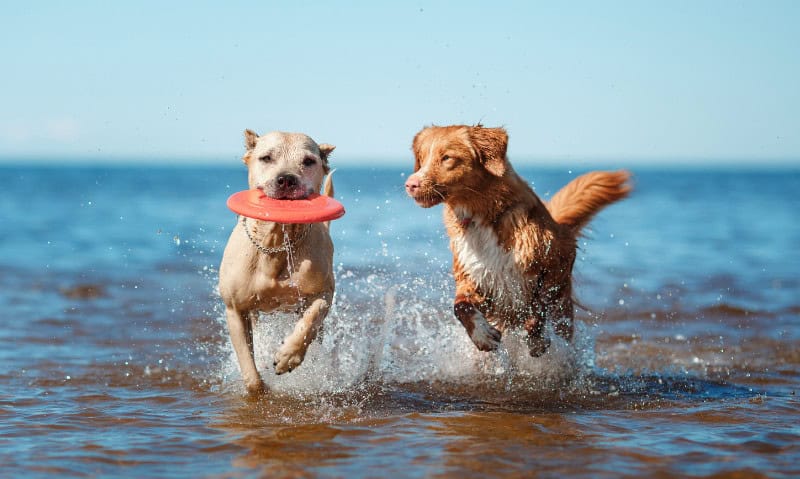
Dogs that enjoy playing in the water (including lakes, rivers, ponds, pools, or even playing with garden hoses) are at the highest risk.
This risk is heightened even further if your dog likes to “catch” water from a sprinkler or garden hose, biting at and, in turn, ingesting water with each attempt.
If your dog enjoys playing fetch in the water, this can also elevate the risk.
They can ingest large quantities of water as they retrieve their sticks or balls from the water or because the water enters their mouths around the object while they are carrying it back.
While far less likely, dogs may also experience hyper-hydration simply from drinking too much water after heavy exercise on a hot day or due to an underlying health problem.
Symptoms of Water Intoxication in Dogs
If your dog is suffering from water intoxication, time is of the essence! The earlier your pet receives treatment, the better their chance of recovery.
Of course, the first step to treatment is identifying the problem.
As responsible dog parents, we must familiarize ourselves with the warning signs, especially if our pet falls into the high-risk group mentioned above.
The most common symptoms of water intoxication in dogs include:
- Nausea
- Vomiting
- Excessive salivation
- Pale or light-coloured gums
- Bloating
- Glazed eyes
- Dilated pupils
- Difficulty breathing
- Staggering
- Loss of coordination
- Inability to walk/stand, collapsing
- Lethargy
- Seizures
- Loss of consciousness
- Coma
How to Treat Water Intoxication at Home
While you may find some articles recommending home remedies, I can’t in good conscience share any of these DIY solutions.
This is a potentially fatal condition. Wasting time trying home remedies or mitigating the signs at home could cost your dog their life. It’s not worth it.
I am not against all-natural or home remedies when it makes sense. However, water intoxication is a life-threatening emergency and should be treated as such.
When Should I Seek Veterinary Help?
If you notice any of the above signs in your pet, especially if you know they were recently playing in a body of water, you should seek immediate veterinary help.
I recommend calling your vet to let them know you are coming while on our way to their office.
Is it outside of your vet’s operating hours? Don’t wait. Head to the nearest emergency animal hospital.
Treatment of Water Intoxication
Your veterinarian will assess how severe your dog’s condition is and recommend the best treatment option.
In minor cases, they may recommend keeping your dog under close observation to watch for signs of neurological problems. This is usually done in the clinic, where more intensive treatment can be provided if necessary.
In more severe cases, treatment may include IV fluids, diuretics to eliminate excess water, or drugs to reduce swelling and relieve pressure in the brain.

Preventing Water Intoxication in Dogs
Like any other medical problem, the best approach to keeping your dog safe from water intoxication is to prevent a problem before it happens.
Here are a few tips and tricks to prevent water intoxication in dogs:
Enforce Frequent Breaks During Water Play
If your dog loves playing in the water, that’s great. However, it should take regular breaks on land to give its body a chance to process any water it may have ingested.
When spending time in the pool or at the dog beach, plan for on-land breaks every 10-15 minutes.
This is especially important if the water is rough and choppy, your dog is playing fetch in the water, or they tend to drink water while playing in it.
We often bring a favourite chew toy along for our dogs and a picnic blanket, raised bed, or mat for them to lie on, preventing sand impaction during their chew session.
Provide Fresh Water While Outdoors
This may seem counterproductive. How would giving your dog water help prevent a condition that occurs when they drink too much water?
If your dog is properly hydrated with small water breaks that you control, they are less likely to drink from the lake or pool directly.
Frequent water breaks will also reduce the need to gulp down large amounts of water due to extreme thirst.
Be Cautious of Your Dog’s Water Intake
Taking the need for controlled hydration breaks a step further – pay attention to how much your dog drinks, especially after excessive exercise or during the hottest days of the year.
If you notice they have quickly emptied their water dish, wait before refilling to allow their bodies to process the water they have already ingested before drinking more.
Frequent short water breaks are far safer on a hot day than allowing your dog to drink a large bowl of water all at once.
Dogs that are drinking a lot at home without any explanation (hot days, exercise, etc.) should see a veterinarian to rule out any medical issues.
Choose Water Toys Carefully
When picking a toy for your dog to play fetch with, avoid items that will hold their mouths open, like tennis balls and other round toys.
As they carry these large objects, water continually enters their mouths around the toy, increasing the amount of water they ingest during play.
The best options are flatter toys like flying discs or stick-like toys that are small enough for their size.
Check if your dog can close their mouths when carrying their favourite water toys. If not, it’s time to consider something new.
Choose toys that float, not toys that sink, requiring your dog to dive underwater to retrieve it.
Avoid High-Pressure Water
I would be lying if I said watching a dog trying to catch the water from the garden hose isn’t funny and adorable.
Unfortunately, a few minutes of adorable entertainment could be a major danger for your pup.
High-pressure water means your dog is ingesting more water at a faster rate, significantly increasing their risk for water intoxication.
If they genuinely love “catching” water from the hose, consider using a sprayer nozzle that can be set to a low-pressure setting.
Don’t Skip Annual Checkups
It’s not uncommon for dog parents to downplay the importance of an annual wellness check, especially if your dog shows no sign of being sick.
You may even be tempted to skip a checkup one year.
After all, this would be a way to save on veterinary bills and time spent going to the appointment, right?
These annual exams allow your vet to check for medical problems that may not be obvious. Not all illnesses have obvious or noticeable symptoms.
Final Thoughts: Understanding the Risks of Water Intoxication in Dogs
As pet owners, we often prioritize ensuring our pets have plenty of clean, fresh water to avoid dehydration and heat exhaustion. Don’t get me wrong, this is important!
However, we aren’t educated on the risks of water intoxication and the fact it can be just as damaging.
The first step to keeping your dog safe during outdoor playtime is familiarizing yourself with the warning signs and the importance of seeking immediate veterinary care.
Additionally, we can reduce the risk by taking preventative steps. Choose water toys carefully and ensure your dog is taking frequent breaks.
Whether hitting the dog beach or playing in the backyard pool, ensure your water fun is safe and enjoyable for everyone this summer!
Feature Image Credit: Anna-av | Canva