Everything You Need to Know Before Owning a Staffy
⏱ Estimated reading time: 20 min read

Introduction
Looking for
a loyal, muscular dog that is surprisingly affectionate with children? The
Staffordshire Bull Terrier, often called the Staffy, is one of the United
Kingdom’s most popular dog breeds. Despite its powerful appearance, this
courageous Staffordshire Terrier is known for its loving nature, intelligence,
and devotion to its family. As a versatile Terrier breed, the Staffy thrives on
companionship and regular exercise, making it an excellent family dog for
active households. In this guide, you’ll discover everything you need to know
about the Staffordshire Bull Terrier, including its history, temperament, care,
training, health, grooming, feeding, and more.
Originally
bred for strength and determination, today’s Staffordshire Bull Terrier has
become a trusted companion in thousands of homes around the world. Responsible
breeding has transformed the breed into one that values human companionship
above almost everything else. Staffies are playful, energetic, and eager to
please, making them excellent pets for owners who can provide consistent
training, regular exercise, and plenty of affection.
Whether
you’re a first-time dog owner or an experienced pet parent looking for your
next companion, understanding this breed’s needs is essential before bringing
one home. Like every dog, the Staffordshire Bull Terrier has unique strengths
and challenges. This guide will help you decide whether the Staffy is the right
fit for your lifestyle.
Quick Breed
Facts
Trait | Details |
Breed Group | Terrier |
Origin | England |
Height | 14–16 inches (36–41 cm) |
Weight | 24–38 pounds (11–17 kg) |
Lifespan | 12–14 years |
Coat Type | Short, smooth, dense |
Shedding | Low to moderate |
Exercise Needs | High (1–2 hours daily) |
Grooming | Low maintenance |
Temperament | Loyal, affectionate, courageous, playful |
Intelligence | High |
Barking | Low to moderate |
Good with Children | Yes, with supervision |
Good with Other Dogs | Depends on socialization |
Apartment Friendly | Yes, if exercised properly |
First-Time Owners | Suitable with commitment to training |
Breed
Overview
The
Staffordshire Bull Terrier is a medium-sized, muscular dog that combines
athleticism with an affectionate personality. Although its strong physique
often gives the impression of a tough dog, the Staffy is one of the friendliest
breeds toward people when properly bred, trained, and socialized.
This breed
is incredibly people-oriented and enjoys spending as much time as possible with
its family. Staffies dislike being left alone for long periods and are happiest
when they can participate in daily family life. Their playful attitude often
continues well into adulthood, making them entertaining companions for both
adults and children.
The
Staffordshire Bull Terrier is also highly intelligent and responds well to
positive reinforcement training. While eager to learn, the breed has an
independent side inherited from its Terrier ancestors, meaning patience and
consistency are essential during training.
Like many
Terrier breeds, Staffies possess a moderate prey drive and may instinctively
chase smaller animals. Early socialization can help reduce this tendency and
encourage polite behavior around other pets.
Another
advantage is that Staffies are generally quiet dogs. They are not excessive
barkers and usually bark only to alert their owners or express excitement. This
makes them suitable for apartment living, provided they receive enough exercise
and mental stimulation each day.
Their short
coat is easy to maintain and requires minimal grooming, making them appealing
to busy owners. However, because of their energetic nature, they need regular
physical activity and interactive play to remain healthy and mentally
satisfied.
Overall, the
Staffordshire Bull Terrier is best suited to owners who want an affectionate,
active, and loyal companion capable of forming lifelong bonds with the people
it loves.
History and
Origin
The
Staffordshire Bull Terrier traces its roots to England during the early
nineteenth century, particularly in the Black Country of Staffordshire. At the
time, breeders crossed the old Bulldog with various Terrier breeds to produce
the agile and determined Bull-and-Terrier. These dogs combined the Bulldog’s
strength with the Terrier’s speed and courage.
Originally,
Bull-and-Terriers were used in blood sports such as bull baiting and later dog
fighting. However, everything changed after the Cruelty to Animals Act of 1835
outlawed bull baiting and similar activities in Britain. As public attitudes
shifted, responsible breeders began selecting dogs with stable, affectionate
temperaments rather than aggressive traits.
Over the
following decades, the breed gradually transformed into a loyal companion
admired for its courage, reliability, and devotion to people. Enthusiasts
worked to preserve the breed while promoting responsible ownership and
standardized breeding practices.
The Kennel
Club (UK) officially recognized the Staffordshire Bull Terrier in 1935,
establishing a breed standard that remains the foundation for responsible
breeding today. Nearly four decades later, the American Kennel Club (AKC)
officially recognized the breed in 1974, increasing its popularity throughout
North America.
Today, the
Staffordshire Bull Terrier is valued not for its historical role in blood
sports but for its affectionate personality, athletic ability, and unwavering
loyalty. It has become one of Britain’s most beloved companion dogs and
continues to gain admirers worldwide.
The AmericanKennel Club (AKC) officially recognized the Staffordshire Bull Terrier in 1974,
helping increase the breed’s popularity in North America.
Appearance
The
Staffordshire Bull Terrier is instantly recognizable thanks to its muscular
build and confident expression. Although compact in size, this breed is
remarkably strong for its weight, giving it an athletic appearance without
looking bulky.
Adult males
and females typically stand between 14 and 16 inches tall and weigh 24 to 38
pounds, with males generally being slightly larger. Their broad chest, powerful
shoulders, and well-developed muscles reflect the breed’s working heritage
while maintaining agility and balance.
The head is
one of the Staffy’s defining features. It is broad with pronounced cheek
muscles, a short muzzle, and a strong jaw. Their dark, round eyes display
intelligence and curiosity, while the ears are usually rose-shaped or
half-pricked, contributing to their alert yet friendly expression.
The coat is
short, smooth, and close-fitting, making grooming relatively simple. Accepted
coat colors include black, blue, brindle, fawn, red, white, or combinations of
these colors with white. Brindle patterns remain especially popular among
enthusiasts.
Despite
their muscular appearance, Staffordshire Bull Terriers move with surprising
grace. Their gait is smooth, powerful, and agile, allowing them to excel in
canine sports, obedience competitions, and active family lifestyles.
Personality
& Temperament
The
Staffordshire Bull Terrier is often described as having one of the biggest
personalities in the Terrier group. Confident, fearless, and full of
enthusiasm, the Staffy approaches life with remarkable energy and optimism.
Behind its muscular frame lies a dog that craves affection and thrives on close
relationships with its family.
One of the
breed’s greatest strengths is its loyalty. Staffies quickly develop deep bonds
with their owners and often prefer being close to them throughout the day.
Whether relaxing on the couch or joining an outdoor adventure, they simply
enjoy being involved in family activities.
This breed
is naturally intelligent and curious, making training enjoyable when positive
reinforcement methods are used. Staffies respond well to praise, treats, and
interactive games, but harsh corrections can damage their trust and confidence.
Although
affectionate toward people, Staffordshire Bull Terriers can be reserved or
reactive toward unfamiliar dogs, especially if they have not been properly
socialized. Early exposure to different environments, people, and animals is
essential for developing a well-mannered adult dog.
Their
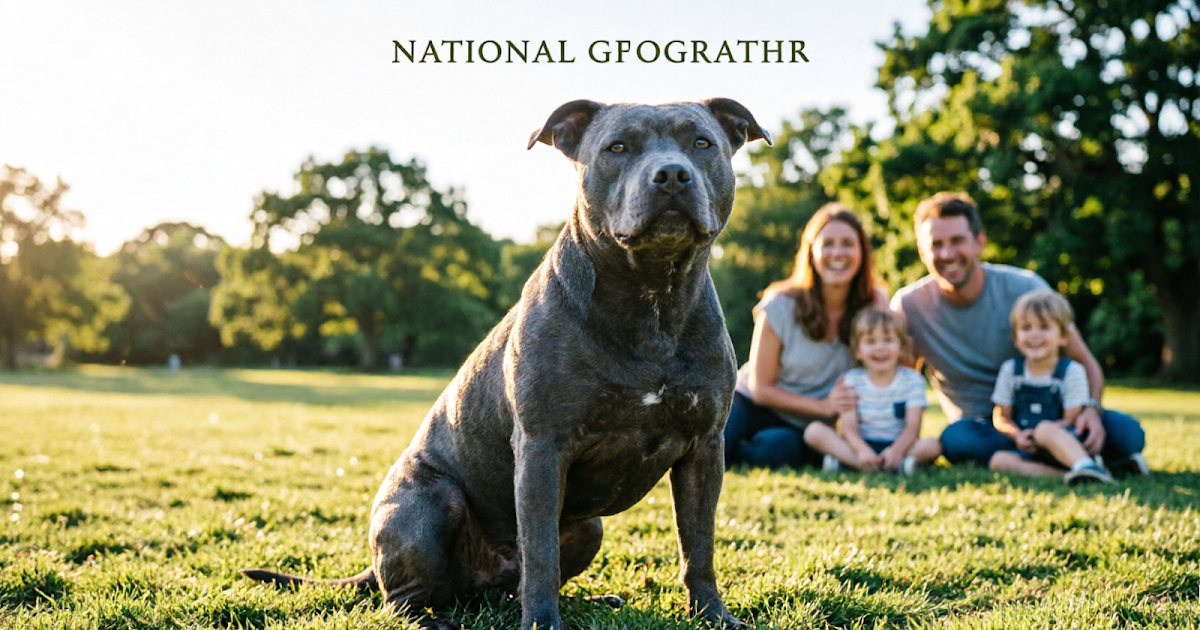
playful nature also makes them excellent companions for active children.
However, because they are muscular and energetic, young children should always
be supervised during play to prevent accidental knocks or rough interactions.
With the
right training, socialization, and daily exercise, the Staffordshire Bull
Terrier grows into a confident, affectionate, and dependable companion. Owners
who invest time in meeting both the breed’s physical and emotional needs are
rewarded with a devoted friend whose loyalty and enthusiasm enrich family life
for many years.
As your
Staffordshire Bull Terrier relaxes after an active day, you may notice it
letting out a long, gentle sigh before settling down to sleep. This behavior is
usually normal and often reflects comfort or relaxation. If you’ve ever
wondered what it means, read our article on Why Do Dogs Sigh When They Lie Down? to understand this common canine behavior.
Are
Staffordshire Bull Terriers Good Family Dogs?
One of the
biggest reasons the Staffordshire Bull Terrier remains a popular breed is its
reputation as a loyal and affectionate family companion. While its muscular
appearance may seem intimidating to some people, a well-bred and properly
socialized Staffy is typically friendly, playful, and deeply devoted to its
family.
Staffies
thrive on human companionship and enjoy being involved in everyday activities.
Whether it’s going for a walk, playing in the backyard, or relaxing on the sofa
after a busy day, they prefer being close to their owners rather than spending
long hours alone. Because they form such strong bonds with people, they may
develop separation anxiety if left by themselves for extended periods.
The breed is
also known for its patience and playful attitude around respectful children.
However, no dog should ever be left unsupervised with young children. Teaching
children how to interact gently with dogs and supervising all play sessions
helps ensure a safe and positive relationship.
If you
already have other pets, early socialization is especially important. Some
Staffordshire Bull Terriers get along well with other dogs and even cats, while
others may show territorial or prey-driven behaviors. Introducing them to
different animals from an early age significantly improves their chances of
becoming well-adjusted adults.
Overall, the
Staffordshire Bull Terrier is an excellent choice for active families who can
provide love, attention, exercise, and consistent training.
Exercise
Needs
Despite its
compact size, the Staffordshire Bull Terrier is an energetic and athletic breed
that requires regular exercise to stay physically and mentally healthy. Daily
activity not only keeps your Staffy fit but also helps prevent boredom,
obesity, and destructive behaviors such as chewing furniture or digging in the
yard.
Most adult
Staffies need at least 60 to 90 minutes of exercise each day, divided into two
or more sessions. A combination of brisk walks, jogging, interactive games, and
off-leash play in secure areas helps satisfy both their physical and mental
needs. The AmericanKennel Club also recommends providing active breeds with regular physical
activity and mental stimulation to support their overall health and well-being.
Mental
stimulation is just as important as physical activity. Puzzle toys, obedience
training, scent games, and food-dispensing toys help challenge your dog’s
intelligence while preventing boredom indoors.
Staffordshire
Bull Terriers also enjoy participating in canine sports such as agility, rally
obedience, flyball, and weight pull. These activities strengthen the bond
between dog and owner while providing excellent exercise.
Because
Staffies have short coats, avoid exercising them during the hottest part of the
day in summer or for extended periods in freezing temperatures. Always carry
fresh water on long walks and watch for signs of overheating. A tired
Staffy is usually a happy and well-behaved Staffy.
Grooming
Guide
The
Staffordshire Bull Terrier is one of the easiest breeds to groom, making it an
excellent choice for owners who prefer a low-maintenance dog. Its short, smooth
coat sheds lightly throughout the year and only requires minimal care to remain
healthy and shiny.
Brushing
your Staffy once a week with a soft-bristle brush or rubber grooming mitt
removes loose hair, distributes natural skin oils, and keeps the coat looking
its best. During seasonal shedding periods, brushing two or three times weekly
may help reduce hair around your home.
Bathing is
only necessary every two to three months unless your dog becomes particularly
dirty. Frequent bathing can strip natural oils from the skin and may lead to
dryness or irritation.
Routine ear
cleaning is equally important. Check your dog’s ears weekly for redness, wax
buildup, or unpleasant odors, which could indicate an infection. Clean them
gently using a veterinarian-approved ear cleaner.
Dental care
should never be overlooked. Brushing your Staffy’s teeth several times each
week helps prevent plaque buildup, gum disease, and bad breath. Dental chews
can also support oral hygiene but should not replace brushing.
Grooming
involves much more than keeping your Staffy’s coat clean. Regularly checking
the ears, teeth, paws, nails, and skin can help you spot health issues before
they become serious. For a complete grooming checklist, don’t miss our guide on
Important Areas You Can’t Miss When Grooming Your Dog.
Finally,
trim your dog’s nails every three to four weeks or whenever you hear them
clicking on hard floors. Regular nail maintenance improves comfort and reduces
the risk of injury.
Feeding
Guide
Providing a
balanced diet is one of the most important responsibilities of Staffordshire
Bull Terrier ownership. High-quality dog food supplies the nutrients needed to
support strong muscles, healthy joints, shiny skin, and sustained energy.
Choose a
food formulated for your dog’s age, size, and activity level. Puppies require
diets rich in protein, healthy fats, vitamins, and minerals to support proper
growth, while adults benefit from balanced nutrition that helps maintain an
ideal body condition.
A typical
feeding schedule includes:
Life Stage | Meals Per Day |
Puppy (8 weeks–6 months) | 3–4 meals |
Young Adult | 2–3 meals |
Adult | 2 meals |
Senior | 2 |
Avoid
overfeeding, as Staffordshire Bull Terriers can gain weight quickly if calorie
intake exceeds their activity level. Obesity increases the risk of joint
problems, diabetes, and heart disease.
Fresh
drinking water should always be available, especially after exercise or during
warm weather. Treats should be given in moderation and used primarily as
training rewards rather than everyday snacks.
While
providing your Staffordshire Bull Terrier with a high-quality diet is
essential, it’s equally important to know which foods can be dangerous. Many
everyday household foods that are harmless to humans can be toxic—or even
fatal—to dogs. Before sharing table scraps with your Staffy, read our guide on
Six Most Fatal Foods Your Dog Should Avoid to help keep your pet safe.
Consult your
veterinarian whenever you plan to change your dog’s diet or if you notice
changes in appetite, digestion, or weight.
Common
Health Problems
Although
generally healthy, Staffordshire Bull Terriers can inherit certain medical
conditions. Choosing a puppy from a responsible breeder who performs health
screening significantly reduces the risk of hereditary diseases.
One of the
most common concerns is hip dysplasia, a condition where the hip joint develops
improperly, potentially causing pain, stiffness, and arthritis later in life. The breed
may also develop elbow dysplasia, another joint disorder that affects mobility.
Some
Staffies inherit hereditary cataracts or Persistent Hyperplastic Primary
Vitreous (PHPV), both of which can affect vision. Regular veterinary eye
examinations help detect these conditions early.
Skin
allergies are another common issue. Food sensitivities, environmental
allergens, or flea bites may trigger itching, redness, and recurring ear
infections. Identifying the underlying cause usually improves long-term
management.
Because
Staffordshire Bull Terriers love food, obesity is another concern. Maintaining
a healthy diet and regular exercise routine helps prevent unnecessary weight
gain.
Annual
veterinary checkups, vaccinations, parasite prevention, dental care, and early
treatment of health problems all contribute to a lifespan of 12 to 14 years or
longer.
Although
Staffordshire Bull Terriers are generally healthy, no breed is completely
immune to illness. Learning to recognize the early warning signs of common
canine diseases can help you seek veterinary care before minor issues become
serious. For a broader overview, explore our article on the 25 Most Common Dog Diseases every dog owner should know.
Training
Tips
Staffordshire
Bull Terriers are intelligent and eager to please, making them highly trainable
when positive reinforcement methods are used. Training should begin as early as
possible to establish good habits and build confidence.
Start with
basic commands such as sit, stay, come, down, and leave it. Short training
sessions lasting 10 to 15 minutes are usually more effective than long sessions
because they keep your dog engaged without becoming bored.
Reward
desired behaviors with praise, toys, or healthy treats rather than punishment.
Positive experiences encourage faster learning and strengthen your relationship
with your dog.
Early
socialization is equally important. Introduce your puppy to different people,
friendly dogs, environments, sounds, and experiences during its first few
months of life. This helps reduce fearfulness and encourages confident behavior
as an adult.
Leash
training should also begin early because Staffies are powerful dogs. Teaching
loose-leash walking while your puppy is young makes future walks much more
enjoyable.
Consistency
is the key to success. Everyone in the household should use the same commands
and rules to avoid confusing the dog.
Daily walks
are one of the best ways to keep a Staffordshire Bull Terrier physically fit
and mentally stimulated. Because Staffies are strong and energetic, teaching
them proper leash manners from an early age makes every walk safer and more
enjoyable. If you’re struggling with pulling or jumping, our guide on How toTrain Your Dog to Walk on a Leash provides step-by-step training techniques for
beginners.
Puppy Buying
Guide
Choosing the
right Staffordshire Bull Terrier puppy is one of the most important decisions
you’ll make as a future owner. Taking the time to find a responsible breeder or
reputable rescue organization greatly increases your chances of bringing home a
healthy, well-socialized companion.
When
purchasing from a breeder, always ask to meet the puppy’s parents if possible.
Their temperament often provides valuable insight into what your puppy may be
like as an adult. A responsible breeder should willingly answer your questions,
provide veterinary records, and show proof of health testing for inherited
conditions such as hip problems and hereditary eye diseases.
Observe the
puppies carefully. Healthy Staffy puppies should appear curious, alert,
playful, and comfortable around people. Avoid puppies that seem extremely
fearful, unusually aggressive, or lethargic.
Never buy a
puppy simply because it is the cheapest available or because it is advertised
online with little information. Puppy mills and irresponsible breeders often
prioritize profit over the health and welfare of their dogs.
Adopting
from a rescue organization is another excellent option. Many adult
Staffordshire Bull Terriers and puppies are looking for loving homes, and
rescue staff can often help match you with a dog that fits your lifestyle and
experience level.
Before
bringing your new puppy home, prepare a comfortable bed, quality food, food and
water bowls, a sturdy leash, chew toys, grooming supplies, and a secure crate.
Planning ahead helps your Staffy settle into its new home quickly and
comfortably, setting the foundation for a happy and rewarding lifelong
relationship.
Cost of
Ownership
Before
bringing a Staffordshire Bull Terrier into your home, it’s important to
understand the long-term financial commitment. While the breed is generally
healthy and low-maintenance compared to many other dogs, you’ll still need to
budget for food, veterinary care, grooming supplies, training, toys, and
routine preventative healthcare.
The initial
purchase price of a Staffordshire Bull Terrier puppy from a reputable breeder
typically ranges from $1,000 to $2,500, depending on pedigree, breeder
reputation, and location. Adoption from a rescue organization is usually much
more affordable, with fees ranging between $150 and $500, often including
vaccinations, microchipping, and spaying or neutering.
Beyond the
purchase price, you’ll need essential supplies such as a crate, dog bed, food
and water bowls, collar, harness, leash, toys, grooming tools, and
identification tags. These startup costs can range from $300 to $700.
Ongoing
monthly expenses include:
Expense | Estimated Monthly Cost |
Premium Dog Food | $40–$80 |
Pet Insurance | $20–$60 |
Treats & Chews | $15–$30 |
Flea & Tick Prevention | $15–$30 |
Toys & Replacements | $10–$25 |
Routine Veterinary Care (averaged) | $20–$50 |
In total,
many owners spend $1,000–$2,000 or more annually caring for a healthy
Staffordshire Bull Terrier. Unexpected illnesses or emergency surgeries can
increase those costs, making pet insurance a worthwhile investment for many
families.
Although
owning a Staffy requires financial planning, most owners agree that the
companionship, loyalty, and affection they receive are well worth the
investment.
Best
Products for Staffordshire Bull Terriers
Choosing the
right products can make life easier for both you and your Staffy. Since this
breed is muscular, energetic, and loves to chew, investing in high-quality
accessories often saves money in the long run.
1.
High-Quality Dog Food: Look for a
premium dog food that lists real meat as the first ingredient and contains
balanced levels of protein and healthy fats. Active Staffordshire Bull Terriers
benefit from diets formulated for medium-sized, energetic breeds.
Recommended
product types:
- High-protein
dry dog food - Grain-inclusive
or grain-free formulas (based on your veterinarian’s advice) - Large-breed
puppy formula for growing puppies
Staffies
have powerful jaws and enjoy chewing. Durable rubber toys help satisfy this
natural instinct while reducing boredom and protecting household furniture.
Look for
toys that are:
- Tough enough
for aggressive chewers - Non-toxic
- Easy to
clean - Suitable for
stuffing with treats
Because
Staffordshire Bull Terriers are active dogs, they benefit from a supportive bed
that cushions their joints after exercise.
Choose a bed
with:
- Orthopedic
foam - Washable
cover - Non-slip
bottom - Durable
fabric
A sturdy
harness provides better control during walks while reducing pressure on your
dog’s neck.
Look for:
- Adjustable
straps - Reflective
stitching - Heavy-duty
clips - Comfortable
padding
Although
Staffies require little grooming, a few quality tools make coat care easier.
Recommended
supplies include:
- Rubber
grooming mitt - Nail grinder
or clippers - Dog shampoo
for sensitive skin - Ear-cleaning
solution - Dog
toothbrush and toothpaste
Mental
stimulation is just as important as physical exercise. Puzzle toys help prevent
boredom and encourage problem-solving skills. These toys
are especially useful when your Staffy must stay indoors due to bad weather.
Frequently
Asked Questions
Are
Staffordshire Bull Terriers aggressive?
No. A
well-bred, properly trained, and well-socialized Staffordshire Bull Terrier is
generally affectionate and friendly toward people. However, some individuals
may show aggression toward unfamiliar dogs, making early socialization and
responsible ownership essential.
Are Staffies
good with children?
Yes.
Staffordshire Bull Terriers are widely known for their affectionate nature
around children. However, children and dogs should always be supervised when
interacting to ensure safety for both.
How long do
Staffordshire Bull Terriers live?
Most
Staffordshire Bull Terriers live between 12 and 14 years, although some may
live longer with proper nutrition, regular exercise, and routine veterinary
care.
Do
Staffordshire Bull Terriers bark a lot?
No. Staffies
are generally moderate barkers. They usually bark to alert their owners or
express excitement rather than barking excessively throughout the day.
Are Staffies
easy to train?
Yes.
Staffordshire Bull Terriers are intelligent and eager to please. They respond
best to consistent, reward-based training using praise, toys, and healthy
treats.
Can
Staffordshire Bull Terriers live in apartments?
Yes.
Although energetic, Staffies adapt well to apartment living if they receive at
least one hour of daily exercise, mental stimulation, and plenty of attention
from their owners.
Do Staffies
shed?
Yes, but
only moderately. Their short coat sheds lightly throughout the year and
requires weekly brushing to remove loose hair and keep the coat healthy.
Are
Staffordshire Bull Terriers good for first-time owners?
They can be.
First-time owners who are committed to training, socialization, and daily
exercise often find the Staffordshire Bull Terrier to be a loyal and rewarding
companion.
Conclusion
The
Staffordshire Bull Terrier is much more than its muscular appearance suggests.
Behind its athletic build is a loyal, affectionate, and intelligent companion
that thrives on human interaction. With proper training, early socialization,
regular exercise, and a nutritious diet, a Staffy can become a devoted member
of the family for many years.
Like every
breed, the Staffordshire Bull Terrier has unique needs. Prospective owners
should be prepared to invest time in training, provide daily physical and
mental stimulation, and maintain routine veterinary care. In return, they’ll
gain a courageous, playful, and loving dog that enjoys being part of every
family adventure.
If you’re
looking for an energetic companion with a big heart and an even bigger
personality, the Staffordshire Bull Terrier may be the perfect addition to your
home.