
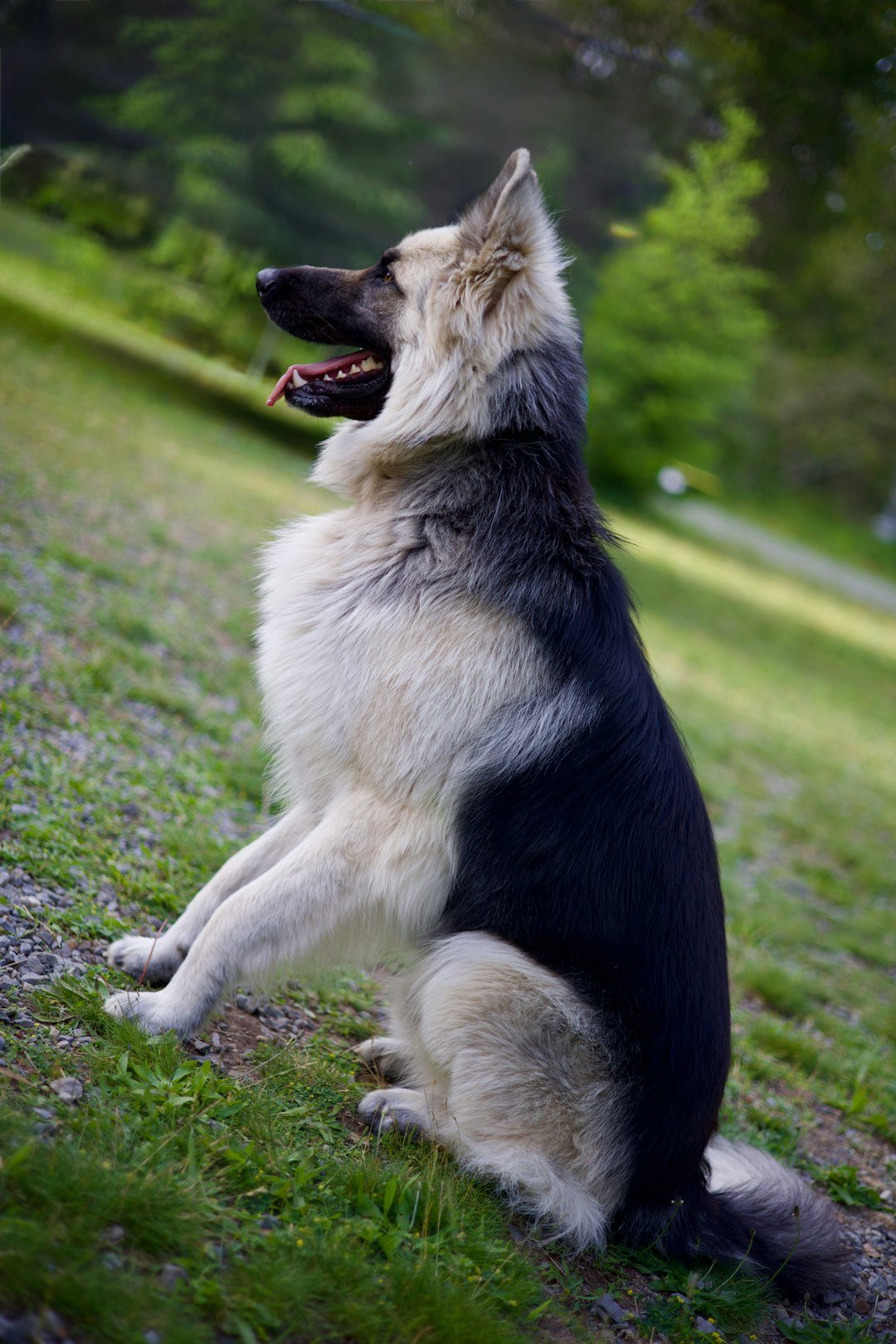
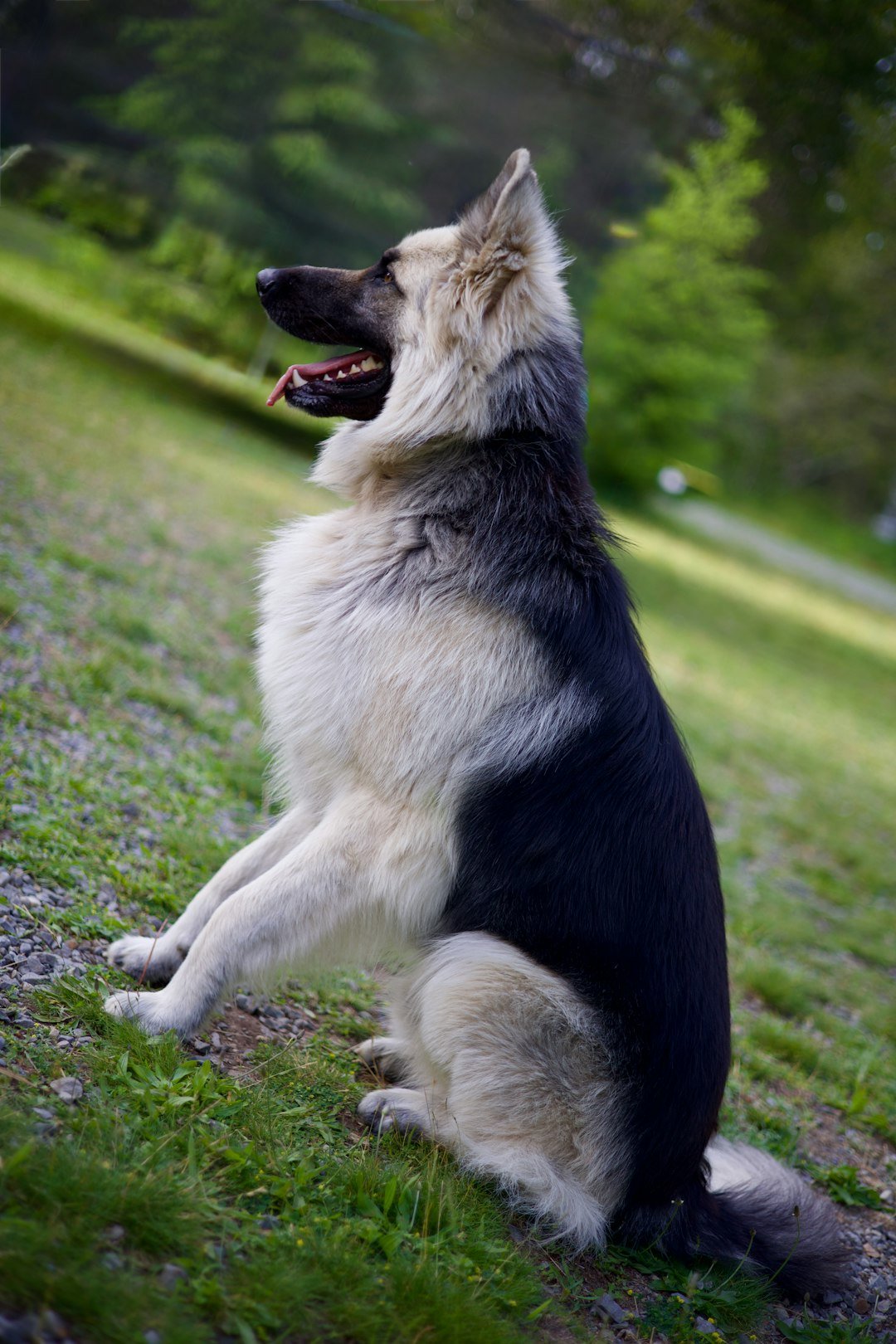
King Shepherds are one of those dogs that get described online with a lot more confidence than the underlying breed history really supports.
You’ll see them called giant German Shepherds, rare purebreds, designer dogs, healthier German Shepherds and sometimes even AKC dogs.
Some of those descriptions are misleading.
The King Shepherd is a relatively recent American-developed shepherd breed/type with German Shepherd ancestry and additional foundation influence. It is not currently recognized by the American Kennel Club, and the AKC does not set the King Shepherd breed standard.
That doesn’t mean a King Shepherd is somehow “less of a dog,” and it doesn’t tell you whether an individual breeder is good or bad. It simply means buyers need to understand which registry or breed club they are dealing with, what that organization actually requires, and what health and temperament evidence the breeder can show you.
What Is a King Shepherd?
King Shepherds were developed in the United States in the 1990s, with German Shepherd Dogs forming a major part of the foundation. Breed histories also describe influence from dogs including Shiloh Shepherds and Alaskan Malamutes, with some accounts mentioning additional large shepherd-type or livestock guardian ancestry.
That history matters because a King Shepherd is not simply “an extra-large German Shepherd.”
Modern King Shepherd breeders may be working within established King Shepherd pedigrees, but the population was developed using more than one foundation breed. If you’re buying a puppy, I would ask to see the actual pedigree rather than relying on marketing language like “giant GSD.”
Are King Shepherds Recognized by the AKC?
No. As of 2026, the King Shepherd is not on the American Kennel Club’s list of recognized breeds.
That directly contradicts the old version of this article, which incorrectly claimed that the AKC established King Shepherd breed standards.
King Shepherds do have breed clubs and registries of their own. The American King Shepherd Club, the American King Shepherd Club International and the King Shepherd Club of America are among the organizations currently associated with King Shepherd registration, standards or breeder communities.
Those organizations are not interchangeable with the AKC, and their requirements are not necessarily identical.
That distinction is worth understanding before you hand over a deposit.
Does Registration Mean a King Shepherd Is Well Bred?
No — and I’d say exactly the same thing about an AKC-registered German Shepherd.
Registration tells you that a dog meets the paperwork requirements of that particular registry. It is not automatic proof of excellent hips, stable temperament, thoughtful puppy raising or responsible breeding decisions.
For me, the more useful questions are:
- What health tests were completed on both parents?
- Can I verify the results rather than just seeing “health tested” on a website?
- What does the breeder know about health and temperament in the wider pedigree?
- Why was this particular pairing chosen?
- How are puppies raised and socialized?
- How does the breeder decide which puppy suits which home?
- What happens if the buyer can no longer keep the dog?
- What does the breeder produce besides size and a dramatic coat?
How Big Is a King Shepherd?
They are genuinely large dogs.
Current King Shepherd standards and registry descriptions commonly place adult males roughly in the upper-20-inch to low-30-inch range at the shoulder, with females somewhat smaller. Adult weights can extend well over 100 lb depending on sex, structure and line.
I would treat those figures as breed-standard ranges, not as targets to push a puppy toward.
“As big as possible” is not a responsible breeding goal. Bigger bodies place more demand on joints, connective tissue, mobility and general handling, and an oversized dog still needs to move comfortably and function normally.
King Shepherd Temperament
Breed clubs generally describe the King Shepherd as intelligent, confident, trainable and family-oriented, with some protective instinct.
But this is where I’d be careful with sweeping breed descriptions.
Temperament is influenced by genetics, breeding line, early development, learning history and environment. “Protective” can mean anything from sensible environmental awareness to serious reactivity depending on the dog and the breeding behind them.
I would not buy a King Shepherd because a breeder promises you a natural family guardian.
I would look for dogs who are socially stable, environmentally resilient, able to recover after surprises, comfortable being handled and capable of making good decisions without living in a constant state of suspicion.
Are King Shepherds Good Family Dogs?
They can be, but “good family dog” is far too broad to use as a breed guarantee.
A 100+ lb adolescent shepherd who is excited, mouthy, worried about visitors or still learning impulse control can be a lot to manage around young children.
If you have children, I’d care less about a breeder saying “our dogs love kids” and more about:
- the actual temperaments of the parents and relatives
- how puppies are raised around normal household life
- whether the breeder matches puppies by temperament rather than colour
- whether the adults in the home can manage a very large adolescent dog
- whether everyone understands dog-child supervision
Are King Shepherds Good for First-Time Owners?
I would not describe them as an automatic first-time-owner breed.
Some individuals may be very manageable. Others may combine shepherd sensitivity, guarding tendencies, physical strength, adolescent intensity and a body large enough that mistakes become harder to physically manage.
A motivated first-time owner with a good breeder, sensible expectations and access to reward-based training may do beautifully.
Someone choosing one primarily because they want an impressive-looking giant dog may have a much harder time.
King Shepherd Health: What Should Breeders Test?
There is no single universally enforced health-testing scheme across every King Shepherd registry, which is exactly why buyers need to look at the breeder’s actual evidence.
Current King Shepherd club guidance includes screening for hips and elbows, and some club guidance also recommends or tracks cardiac and eye testing. King Shepherd organizations also discuss DNA testing and degenerative myelopathy within breeding programs.
One important nuance: recommendations and requirements are not always the same. For example, the King Shepherd Club of America currently says hip and elbow testing is recommended but not mandatory within its rules.
So I would not accept “we’re club registered” as the end of the health conversation.
I’d ask for:
- hip results from OFA or PennHIP where appropriate
- elbow results
- cardiac screening where recommended for the line
- eye screening where recommended
- DNA results for relevant inherited conditions
- an explanation of what those DNA results actually mean for the planned pairing
- health history across parents, grandparents, siblings and previous offspring where available
A DNA panel is useful. It is not a substitute for orthopedic screening, temperament knowledge or honest pedigree analysis.
What About Hip Dysplasia and Degenerative Myelopathy?
Both deserve attention, but neither should be reduced to a marketing checkbox.
Hip dysplasia is influenced by genetics and environmental factors. Responsible breeding should include meaningful hip assessment rather than simply saying the parents “run fine.”
Degenerative myelopathy is more complicated than a simple clear/carrier label. DNA testing can inform breeding decisions, but risk variants do not perfectly predict whether an individual dog will develop clinical disease.
The useful question is whether the breeder understands the test and uses it intelligently, not whether they can show you a colourful DNA certificate.
Training a King Shepherd
I would train a King Shepherd for the dog I expect them to become, not just the puppy standing in front of me.
That means prioritising:
- comfortable handling and cooperative veterinary care
- loose-lead walking before they become enormously strong
- recall
- settling and doing nothing
- neutrality around dogs and people
- confidence in new environments
- safe visitor routines
- being comfortable behind a gate or barrier
- muzzle training as a normal life skill
I would not use harsh handling because the dog is large or because somebody tells you shepherds “need a firm hand.” Clear boundaries, management and consistent reinforcement do not require intimidation.
Exercise: Don’t Try to Tire Them Into Being Calm
Large shepherds need appropriate physical activity, but I would not build the dog’s life around exhausting them.
A better balance includes movement, sniffing, exploration, training, appropriate play, problem-solving and genuine rest.
With growing puppies, I would also be sensible about repetitive high-impact exercise while their bodies are still developing.
The goal is a physically capable dog who can also recover and settle — not an endurance athlete who needs increasingly heroic amounts of exercise to feel normal.
Grooming and Coat
King Shepherds have substantial double coats, and coat length can vary.
Expect shedding. Regular brushing helps remove loose undercoat, identify skin or coat problems early and prevent tangling in longer-coated dogs.
I would be suspicious of anyone marketing them as hypoallergenic or as a low-shedding alternative to a German Shepherd.
How to Find a Responsible King Shepherd Breeder
Because this is a relatively young population with multiple clubs and registries, breeder selection matters enormously.
Green flags include:
- verifiable orthopedic and health results
- honest discussion of health problems in the breed and their own lines
- a clear breeding purpose beyond producing unusually large dogs
- stable adult dogs you can learn about, not just cute puppy photos
- thoughtful puppy raising and temperament assessment
- contracts that require the breeder to remain responsible for dogs they produce
- willingness to tell you that a King Shepherd may not suit your home
Red flags include:
- “AKC King Shepherd puppies”
- selling “rare” colours or extreme size as the main value
- claims that the breed has eliminated German Shepherd health problems
- no verifiable hip/elbow results
- DNA testing presented as complete health testing
- guarantees that every puppy will be a gentle family protector
- no meaningful questions about your household or experience
King Shepherd vs German Shepherd
If your real question is “should I get a King Shepherd instead of a German Shepherd?” I wouldn’t decide based on size or the claim that one is automatically healthier.
I would compare the actual breeders and actual dogs available to you.
A carefully bred German Shepherd with excellent orthopedic screening, stable temperament and a breeder who understands their lines may be a much safer choice than a poorly bred King Shepherd marketed as a healthier alternative.
And the reverse can also be true: a thoughtful King Shepherd breeder may be doing considerably more health and temperament work than a mediocre German Shepherd breeder.
The label alone doesn’t answer the question.
The Bottom Line
King Shepherds are large American-developed shepherd dogs with substantial German Shepherd ancestry, but they are not simply giant AKC German Shepherds and they are not currently an AKC-recognized breed.
If you like what responsible King Shepherd breeders are trying to produce, judge the breeder on evidence: health testing, temperament, pedigree knowledge, puppy raising and long-term responsibility.
Don’t pay extra for the words “rare,” “giant,” “purebred” or “registered” unless you understand exactly what those words mean in that breeder’s program.