Your Cat Needs More Social Interaction…You Just Don’t Realize It
⏱ Estimated reading time: 5 min read

I think most humans know by now that cats aren’t antisocial, solitary creatures who just want to keep to themselves. That myth developed because people treated cats like part of the furniture…and fading into the background became a learned behavior.
What Has Changed in What People Expect From Cats?
The past couple of decades have seen a tsunami of cat videos and the rise of cat behavior experts begun by Jackson Galaxy. Younger people with cats, Millennials and Gen Zs, want their pets, and cats especially, to become more like family members and less like decorative sofa ornaments.
People are interacting more with their cats and including them in their lives. But even so, hectic lifestyles and stressful times can cause people to forget about the companion quietly holding space. Unlike dogs, cat don’t make their need for attention obvious. Cats tend to be more subtle, quieter in their loneliness. So if you’ve had other things on your mind lately, you may be forgetting that your cat needs some them-time.
Ways Cats Subtly Tell You They Need More Social Interaction
Cats are often quiet about their need for attention…and when they aren’t, what they want may not be obvious. Here are some common signals.
Sleeping Through Your Activities
Yes, cats sleep a lot — up to 16 hours a day. But when a cat sleeps through nearly everything you are doing at home, it often means they’ve become understimulated. A cat may not always want to be in your business (although I do!) but they normally react when there’s activity around them and want to engage or at least observe. A depressed cat might not care to respond at all.
They Stop Playing
Yes, kittens are more playful than adult cats (and thank god they calm down as they mature!). But if a cat loses the desire to play completely…it might not be because they don’t want to. It could be because you’ve slowed down soliciting play with them, or stopped altogether.
Maybe you just assumed they would keep themselves entertained. But playtime is also social time for many cats. Yes, we can keep ourselves amused with small toys, but it’s so much more interesting when someone else is sharing in the fun.
Acting Out
Does your cat cause trouble — constantly haunting places you don’t want them to, like the kitchen counter, knocking things over, or waking you up in the middle of the night? These aren’t bad cats. These are usually smart cats that are not getting enough mental stimulation and attention.
A cat with this kind of excessive energy and curiosity is asking for focused and frequent attention. They love routines, short training sessions that keep them away from danger, and lots of stimulation. Timing also helps. Tiring them out before bedtime can help solve those midnight zoomie sessions, for example.
Grooming Changes
There could be several reasons for a cat to overgroom or stop grooming — health concerns and household stress are two major ones. But they also could be doing either of these because they haven’t been receiving enough attention. A bored cat could be overgrooming. A depressed cat might stop. Either way, this is a clue that needs your attention for many reasons.
Routines That Are Weirdly Rigid
Is your cat’s routines so predictable that you can set a clock by them? I’m not talking about the 5 AM requests for breakfast. It’s more like being in the same bed of section of the sofa at the same time, for the same amount of hours. Spending time by the same window at the same time of day.
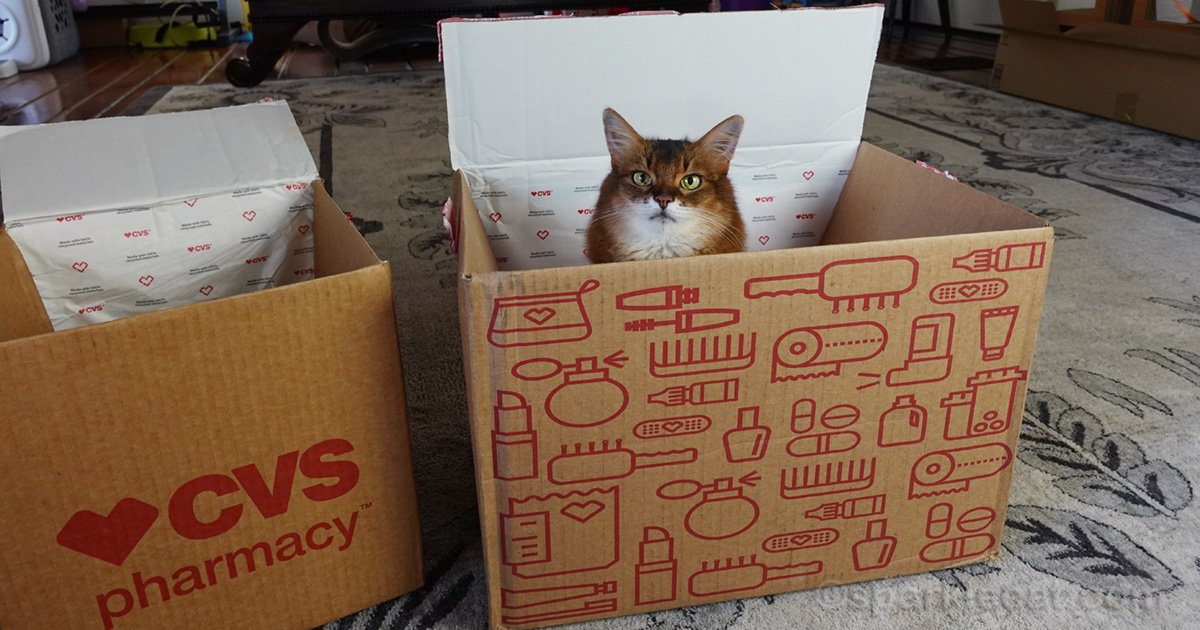
Cats love routines but when they become that predictable, they are probably understimulated. Add some variety to their lives with a fun play session, treat toss, or introducing them to a new box.
They Stop Asking for Attention
Cats don’t always expect you to read their minds. If they want interaction, they can ask for it. Maybe they bring you toys, or playfully reach for your ankles as you walk past. Or they’ll jump on the coffee table when you sit down to watch TV, or solicit affection when you are getting ready for bed.
But when these signals are ignored over time…they will stop doing them. You’ve basically taught your cat to be independent, when they really just wanted your attention. Get back on track with your cat by reaching out and being more present and playful. You may be surprised at how gratefully they respond.
There’s a big reward when you recognize your cat needs a little more than what you’ve been giving them. Because in return, your cat offers you stress relief, companionship, fun, and a break from all the other stuff you’ve been dealing with. Being more present for your cat is a win-win situation and you both benefit.