Dog Lead Laws | Meg K9
⏱ Estimated reading time: 5 min read
What you need to know for 2026 & onward
This page is up to date as of March 2026. Please contact your local Dog Legislation Officer through your Local Police Force by calling 101. DLO’s are specialised police officers within the dog section of the Police.
New Dog Lead Rules – What You Need to Know for 2025
Dog laws in the UK have evolved quite a bit over the last couple of years, and 2025 has brought a few important updates that dog owners really need to be aware of. Whether you walk in urban parks, countryside trails, or coastal paths, understanding the new rules will help you avoid fines, stay responsible, and keep your dog safe.
On March 18th 2026, new much stricter livestock worrying laws came in to force. It is the (Dogs (Protection of Livestock) (Amendment) Act 2025). In England & Wales, unlimited fines were introduced along with increased Police powers such as seizing a dog and taking DNA evidence.
This law was expanded & now includes sheep, cattle, goats, pigs, horses, poultry, llamas and alpacas.
You can read about this in full at source by following this link: New law comes into force to protect farm animals from dog attacks.
Let’s break it down clearly and simply, starting with the most talked-about change.
XL Bully Regulations
There are now updated rules for registering XL Bully’s in 2026 and this information can be read at source by following this link: Registering XL Bully’s.
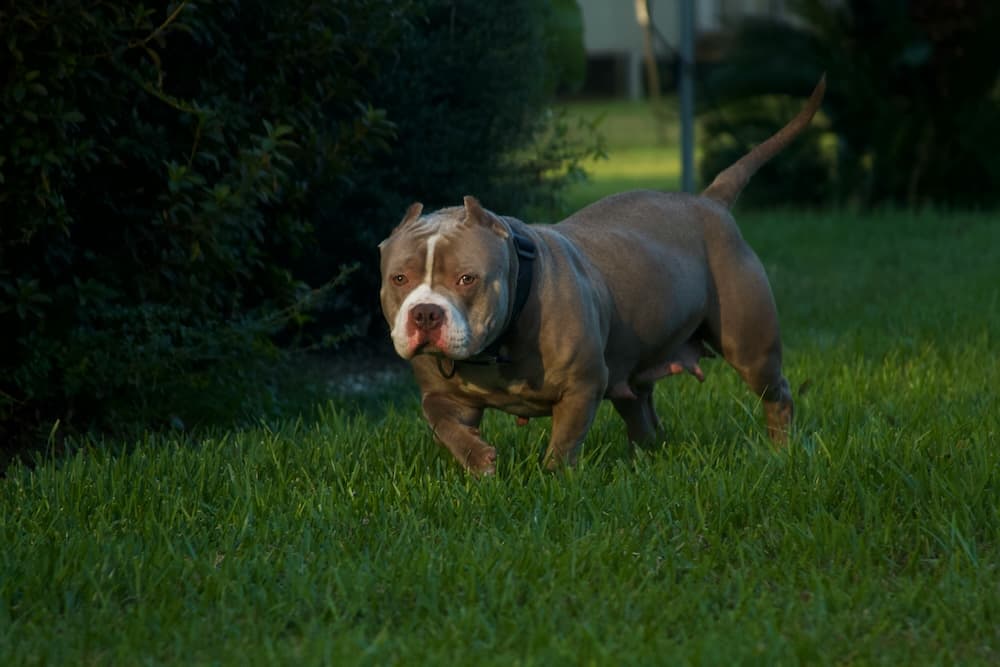
As of 31 December 2023, new legal restrictions came into force for XL Bully dogs under the Dangerous Dogs Act. If you own an XL Bully, you now must have a Certificate of Exemption, and your dog must be on a lead and muzzled at all times in public.
Breeding, selling, or abandoning an XL Bully is now illegal. Even giving one away is against the law. Owners must also ensure their dogs are neutered and microchipped. The rules are strict, and non-compliance can lead to prosecution and seizure of the dog.
Open Access Land – Nesting Season
Another rule that often goes unnoticed is the seasonal lead law on Open Access land (which includes many countryside areas and nature reserves). From 1 March to 31 July, dogs must be kept on leads, even if there’s no livestock around. This protects ground-nesting birds during their breeding season and is enforced under the Countryside and Rights of Way Act (CRoW).
If you’re unsure whether an area counts as Open Access land, check the Natural England maps or look for signage before letting your dog off-lead.
If in doubt, keep them on a lead.
Local Council Rules (PSPOs)
Local authorities have the power to enforce Public Spaces Protection Orders (PSPOs). These can vary by area but might include rules like:
- Dogs must be kept on a lead in parks, cemeteries, or playgrounds
- Only a limited number of dogs can be walked at once (often four)
- Certain areas may be off-limits to dogs completely
Fines for breaking PSPOs can reach £100 on the spot or up to £1,000 in court.
General Legal Requirements (still often missed!)
Here are the legal basics, which still catch dog owners out:
- All dogs must wear a collar with an ID tag that clearly displays the owner’s name and address when out in public.
- Microchipping is mandatory for all dogs over eight weeks old, and the contact details must be kept up to date.
- Dogs must be under control in public at all times. If your dog scares someone, even if they don’t bite, it can be considered “dangerously out of control”.
2024 – 7 Laws Introduced
In 2024, 7 Statutory Laws were introduced or amended in England & Wales, Scotland and Northern Ireland.
Let’s look at this one: The Dangerous Dogs (Exemption Schemes) (England and Wales) (Amendment) (No. 2) Order 2024. (Click to view all).
Summary of changes:
Neutering Age Adjustment
For animal health reasons, the age by which XL Bully dogs must be neutered under the ban has been increased. This change ensures that dogs are not neutered at an age that could compromise their health.
Public Liability Insurance Requirement
Owners holding an exemption certificate for their XL Bully dogs are now required to provide evidence of public liability insurance upon request, rather than annually. This amendment reduces the administrative burden on owners and enforcement agencies.
VAT Removal on Exemption Certificate Fees
The instrument removes the requirement to charge VAT on fees for exemption certificates granted by a court, correcting a historic drafting error. While the overall fee remains unchanged, this adjustment aligns the legislation with the government’s policy.
Implications for Dog Owners
- Compliance: Owners must ensure they adhere to the updated neutering timelines and be prepared to provide proof of insurance when requested.
- Financial Considerations: The removal of VAT does not reduce the total fee for exemption certificates but corrects the legislative framework to reflect the intended policy.
Why This Matters
These rules might seem like a faff, but they’re all there for good reason. They help protect people, wildlife, and dogs themselves. Whether you’ve got a nervous rescue, a cheeky Spaniel, or a gentle giant, following the law helps everyone enjoy walks more safely.
You can read about this in more detail here.