A Fresh Start for Your Rescue Pet: Revitalizing Skin Health After Adoption*
⏱ Estimated reading time: 5 min read
*GUEST POST
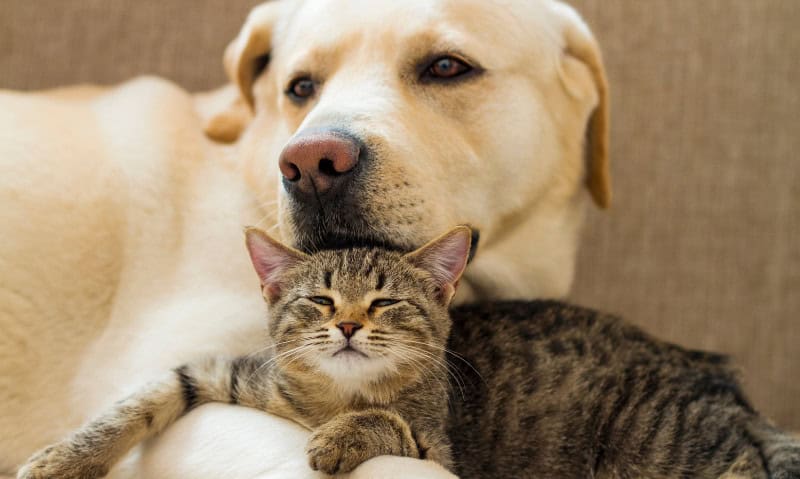
Adopting a pet is a great way to save a life while bringing a new family member into your home.
Rescuing a pet can also reduce the burden on shelters.
This is crucial as, according to the ASPCA, 6.3 million pets enter animal shelters in the US every year, while nearly one million are euthanized.
Stepping up and bringing a pet home with you can improve the quality of your life. You’ll learn plenty about yourself while training a timid cat or a pup that hasn’t been house-trained yet.
This can help you form a strong bond that will last for your pet’s entire lifetime.
However, adopting comes with serious challenges. Many pets face skin disease and fur loss due to factors like stress and poor sanitation.
As a new pet parent, it’s your job to revitalize your pet’s skin health, groom them properly, and help them feel and look their best.
Pests and Preventative Skin Care
Many pets that end up in adoption shelters have come from difficult homes or have been left to fend for themselves on the streets.
They’ve likely been exposed to pests that may have damaged their skin or caused molting fur. Examples of common pests that are dangerous to pets include:
- Botflies
- Ants
- Ticks
- Fleas
Some of these pests, like botflies and ticks, are hard to detect as they typically attach deep into or even live below the surface of your pet’s skin.
As a pet parent, you can take proactive steps to reduce the risk of your pet harbouring unwanted passengers by trimming their fur in the summer months and cleaning them regularly with shampoo.
You may also be able to utilize a few natural ingredients to keep your pet pest-free and can work with a vet to create a treatment plan that cleans them up for good.
Allergen-Aware Skin Routines
Humans can make full use of essential oils like citronella and bug repellents like DEET.
However, applying these to your pet can cause serious harm and undermine your efforts to revitalize their skin.
As such, you should always aim to remove allergens in your home when bringing a new pet into your space. Many pets have allergies to a variety of substances, including:
- Mold
- Dairy
- Proteins like soy, beef, and turkey
- Pollen from your garden
Assessing your home for potential allergens is key to keeping your rescue healthy and happy.
For example, if you enjoy houseplants, you should get some aloe vera or money trees to reduce the risk of your feline friend snacking on a toxic plant.
However, resist the temptation to over-bathe your pet. Most animals naturally clean themselves by licking fur and staying active.
That means your new pup probably doesn’t need weekly bathing — even if it makes them look extra cute. Instead, let nature do its work.
If they can’t get clean, talk to a vet or work with a groomer who is more familiar with your breed’s needs.
You’ll also want to switch up your essential oil routine. Though these oils may do wonders for your health, exposure to essential oils can harm your pet’s health.
Topical oils can irritate your pet’s coat and may cause them to vomit, drool, and experience difficulty breathing.
Working With Your Vet
Taking your adopted pet out of the stressful environment of a kennel is sure to improve their skin health and help them begin the healing process.
However, as a pet parent, you must take responsibility for your canine pal or feline friend by working with the vet to clear up any lingering skin conditions after adoption.
If you notice that your dog is suffering from hot spots, treatment is essential.
These hot spots, or pyotraumatic dermatitis, are a sign of inflammation, infection, or allergic reaction and require medical intervention from your veterinarian. Speedy vet care can save your pet’s life.
Unattended, these hot spots can develop into more severe infections that undermine the health of your newly adopted pet.
Getting ahead of hot sports and molting can reduce your pet’s stress and help them enjoy life in their new home.
Doing so can be transformative for animals that come from abusive homes and is a great way to build trust.
Your adopted pet doesn’t know that you’re taking them to the vet, but they will know they feel better around you. This can improve their holistic health, reduce the risk of stress-related skin conditions, and help strengthen your bond.

Conclusion
Many adopted pets struggle with skin conditions before, during, and after the adoption process. Some have been exposed to pests, while others become so stressed that their fur falls out.
As a pet parent, you can revitalize your new pet’s appearance after adoption by clearing out any allergens from your home and caring for any pests that could cause your pet stress.
You should also work with a trusted veterinarian who can treat issues like hot spots.
Feature Image Credit: DenisZbukarev | Canva
About the Author
Indiana Lee is a writer from the Pacific Northwest who enjoys exploring the great outdoors with her two dogs. Connect with her on LinkedIn.