Best Dog Travel Products for Road Trips: 15 Essentials
⏱ Estimated reading time: 14 min read

Taking your dog on a road trip can be a wonderful
experience, but traveling with a dog requires more preparation than simply
putting them in the car and driving away. The best dog travel products for
road trips can help keep your dog secure, comfortable, hydrated,
entertained, and easier to manage during long journeys. From crash-tested
travel harnesses and car barriers to collapsible water bowls, travel crates,
seat covers, and first-aid supplies, the right equipment can make the trip
safer for everyone.
Before buying a collection of travel gadgets, think about
your dog’s size, temperament, health, travel habits, and the length of your
journey. A small dog may travel comfortably in a properly secured carrier,
while a larger dog may need a crash-tested harness or a secured travel crate.
Regardless of the product you choose, your dog should not be allowed to move
freely around the vehicle while it is moving.
In this guide, we’ll look at the most useful dog travel
products for road trips, explain what each one does, what to look for when
buying it, and which products are worth considering for your next adventure.
Affiliate disclosure: Doglopedix may earn a
commission from qualifying purchases made through links in this article, at no
additional cost to you. We only recommend products we believe may be useful to
our readers.
Why Do You Need Special Travel Products for Your Dog?
A road trip can expose your dog to situations that don’t
normally occur during everyday life. Your dog may need to spend several hours inside a vehicle,
drink water at unfamiliar locations, take bathroom breaks in new environments,
sleep somewhere unfamiliar, and deal with traffic noise and other distractions.
There is also an important safety consideration. A loose dog inside a moving vehicle can become a distraction
for the driver and can be injured during sudden braking or a collision. The
American Automobile Association (AAA) recommends restraining pets while
traveling because unrestrained animals can pose risks to themselves and vehicle
occupants. That’s why your travel-shopping list should focus on safety
first, comfort second, and convenience third.
15 Best Dog Travel Products for Road Trips
1. Crash-Tested Dog Travel Harness
If your dog rides on the vehicle seat, a properly fitted crash-tested
travel harness is one of the most important products to consider. A travel harness attaches to the vehicle’s seat-belt system
and helps keep your dog from moving freely around the cabin.
However, don’t assume that every harness advertised as a
“car safety harness” has been independently crash tested. When shopping, look for products with credible evidence of
crash testing and clear information about how the restraint should be
installed. For dogs that are still learning to walk calmly on a leash, working on leash manners before the trip can make roadside bathroom and exercise breaks much easier.
What to look for:
- Appropriate
size for your dog - Secure
attachment system - Comfortable
padding - Strong
construction - Clear
manufacturer’s instructions - Evidence
of independent crash testing where available
2. Secured Dog Travel Crate
For some dogs, a properly secured crate may be a better
travel solution than a harness. A crate can provide a familiar enclosed space and prevent
your dog from moving around the cabin. For road trips, choose a crate that is appropriately sized
and can be securely anchored according to the manufacturer’s instructions.
The crate should allow your dog to stand, turn around, and
lie down comfortably without giving them excessive unused space. Don’t simply place a large crate loose in the back of an
SUV. The crate itself should be secured appropriately for
vehicle travel. Check Price on Amazon
3. Dog Car Seat
Small dogs may benefit from a dedicated dog car seat. A good dog car seat can elevate a small dog so they can see
outside while providing a defined area for them to sit or lie down.
However, a booster-style seat isn’t automatically a safety
restraint. Look for a product that provides an appropriate restraint
system and follow the manufacturer’s instructions carefully. Avoid allowing your dog to ride unrestrained in your lap. Check Price on Amazon
4. Dog Seat Belt
A dog seat-belt system can help keep your dog in a
designated position while traveling. If you choose one, pay close attention to how it connects to
the dog’s harness. Never attach a vehicle restraint directly to a dog’s
ordinary collar if doing so could place dangerous pressure on the neck during
sudden braking. A seat-belt system should be compatible with the harness
you’re using. Check Price on Amazon
5. Waterproof Car Seat Cover
Even the cleanest dog can leave behind:
- Hair
- Dirt
- Mud
- Drool
- Wet
paw prints - Sand
- Occasional
accidents
A waterproof seat cover can protect your vehicle’s
upholstery and make cleanup much easier.
Look for a cover with:
- Waterproof
material - Non-slip
backing - Seat
anchors - Openings
for seat belts - Machine-washable
construction - Coverage
appropriate for your vehicle
This is one of those inexpensive travel products that can
become extremely useful after just one muddy stop. Check Price on Amazon
6. Portable Dog Water Bottle
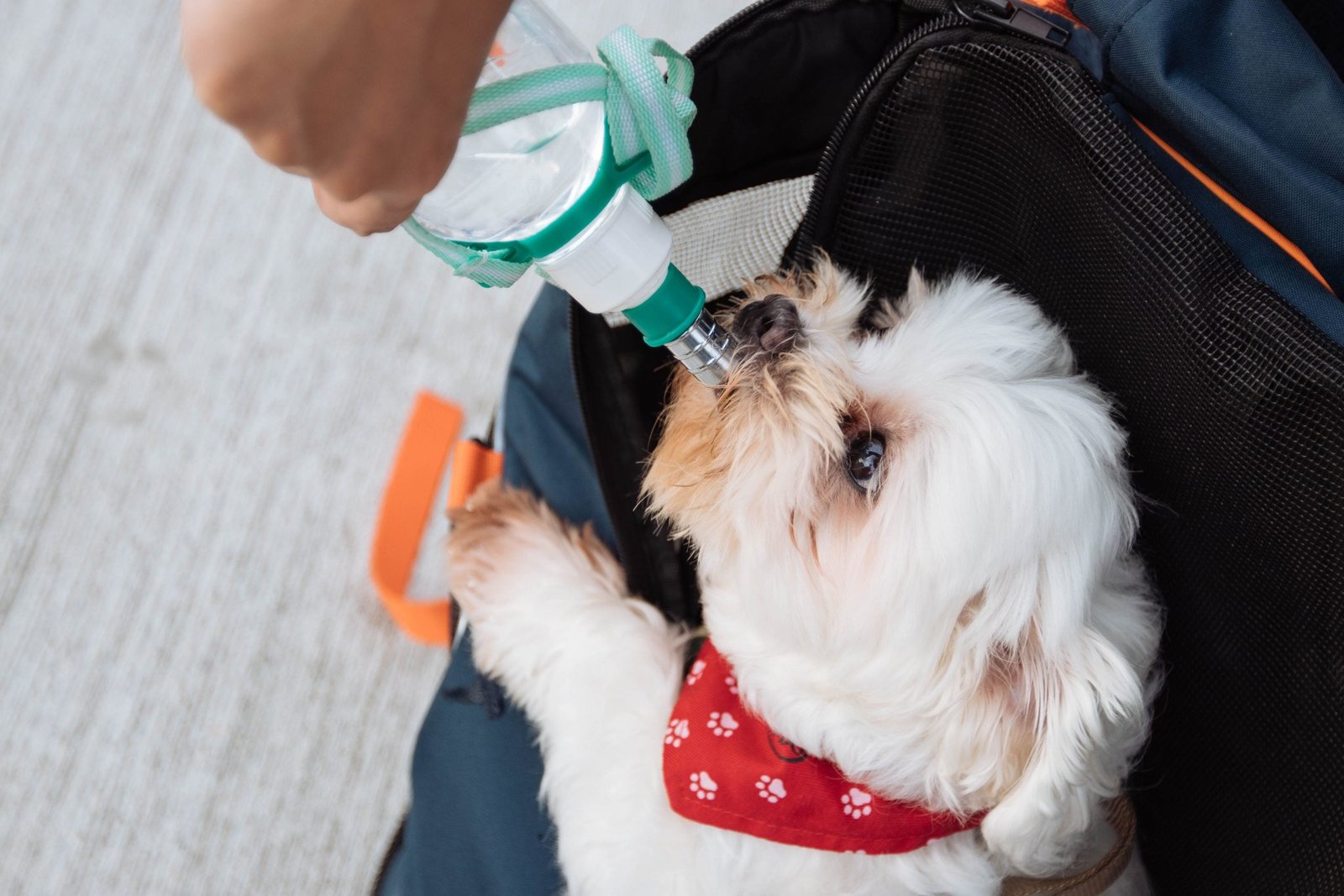
Hydration is particularly important during long road trips. A portable dog water bottle with an integrated drinking bowl
can make roadside stops much easier. Instead of carrying a large water bowl everywhere, you can
keep a travel bottle in the vehicle and offer your dog water during appropriate
breaks.
Look for:
- Leak-resistant
construction - Easy-to-use
drinking mechanism - Adequate
capacity - Easy
cleaning - Durable
materials
Don’t wait until your dog appears extremely thirsty before
offering water. Check Price on Amazon
7. Collapsible Dog Bowl
A collapsible bowl takes up very little space and is useful
for both food and water. Silicone or other flexible travel bowls can be folded or
collapsed when not being used. I recommend keeping at least two in your travel
kit—one primarily for water and another for meals. Check Price on Amazon
8. Portable Dog Food Container
Taking your dog’s normal food with you can make feeding
easier during a trip. A dedicated travel food container can protect food from
moisture and prevent an opened bag of kibble from spilling throughout your
vehicle.
More importantly, avoid suddenly changing your dog’s diet
simply because you’re traveling. A sudden food change can cause digestive upset at exactly
the time you want to avoid problems. Measure enough food for the trip and pack a little extra in
case your return is delayed. Check Price on Amazon
9. Dog Travel Bag
A dedicated dog travel bag can keep your supplies organized. Instead of searching through your luggage for your dog’s
leash or medication, you can keep everything together. A good dog travel bag might contain:
- Food
- Treats
- Bowls
- Leash
- Waste
bags - Medication
- First-aid
supplies - Towels
- Grooming
supplies - Vaccination
records - Cleaning
supplies
This is especially useful when you’re making frequent stops. Check Price on Amazon
10. Portable Dog First-Aid Kit
A basic first-aid kit is worth carrying on longer road
trips. It shouldn’t replace veterinary care, but it can be useful
for minor problems while you’re traveling. Consider carrying supplies such as:
- Gauze
- Non-stick
bandages - Adhesive
tape - Disposable
gloves - Tweezers
- Saline
solution - Clean
towels - Antiseptic
products appropriate for pets
Don’t give your dog human medication unless your
veterinarian specifically tells you to do so. For significant injuries, contact a veterinarian rather than
attempting to manage a serious problem yourself.
11. Extra Leash and Collar
Never travel with only one leash. A leash can break, disappear, or accidentally be left behind
at a rest stop.
Pack:
- Primary
leash - Backup
leash - Collar
- Identification
tag
It’s also worth checking that your dog’s identification
information is current before leaving home. If your dog is microchipped, make sure the registration
information is up to date. Check Price on Amazon
12. Dog ID Tag and Microchip Information
Road trips expose dogs to unfamiliar environments. A frightened dog can escape through an open car door or
during a bathroom break. A properly fitted collar with current identification
information can increase the chances of being reunited with your dog if they
become lost.
Your dog’s microchip information should also be current. The American Veterinary Medical Association (AVMA)
recommends permanent identification such as microchips alongside identification
tags as part of responsible pet identification. Check Price on Amazon
13. Dog Travel Bed or Portable Mat
A familiar bed or mat can give your dog a recognizable place
to settle down during overnight stays. It can also be useful when you stop at hotels, friends’
homes, campsites, or other dog-friendly locations. Choose something:
- Lightweight
- Washable
- Easy
to fold - Durable
- Familiar
to your dog
If your dog already has a favorite bed at home, bringing it
along may provide additional comfort. Check Price on Amazon
14. Poop Bags and Waste-Bag Dispenser
This sounds obvious, but it is one of the easiest things to
forget. Carry more waste bags than you think you’ll need. Road trips involve unfamiliar rest stops, parks, walking
trails, and accommodation areas, so responsible waste disposal is important. A small dispenser attached to your leash or travel bag makes
them easy to access. Check Price on Amazon
15. Dog Travel Cleaning Kit
Accidents happen. Your dog might vomit, get muddy, spill water, or have a
bathroom accident. A basic cleaning kit can save you from trying to clean your
vehicle with whatever happens to be available at a gas station.
Consider packing:
- Paper
towels - Absorbent
towels - Pet-safe
cleaning wipes - Disposable
gloves - Small
trash bags - Enzyme-based
pet stain cleaner - Extra
blanket
Keep these supplies somewhere accessible rather than buried
beneath your luggage. Check Price on Amazon
How to Choose the Right Dog Travel Products
You don’t necessarily need all 15 products, your dog’s needs should determine what you buy.
For a small dog
Prioritize:
- Secure
carrier or appropriate car seat - Harness
- Water
bottle - Collapsible
bowl - Travel
bag - Identification
For a large dog
Consider:
- Crash-tested
harness or appropriate travel crate - Waterproof
seat cover - Portable
water container - Collapsible
bowl - Long-lasting
travel mat - Backup
leash
For long road trips
Add:
- First-aid
kit - Extra
food - Extra
water - Medication
- Cleaning
supplies - Backup
leash - Extra
identification information
How Often Should You Stop During a Dog Road Trip?
There’s no single schedule that works for every dog. Puppies, senior dogs, dogs with medical conditions, and dogs
that drink frequently may need more frequent breaks.
As a general travel principle, avoid forcing your dog to
remain in the vehicle for excessively long periods without an opportunity to
stretch, drink, and relieve themselves.
Use breaks to:
- Offer
water. - Allow
a bathroom break. - Give
your dog an opportunity to stretch. - Check
that the harness or carrier remains comfortable. - Let
your dog calm down before continuing.
Never leave your dog unattended in a parked vehicle in
conditions that could cause dangerous temperatures. The Humane Society of the United States warns that vehicles
can become dangerously hot very quickly, even when outdoor temperatures may not
initially seem extreme.
What Should You Pack for Your Dog’s Road Trip?
Before leaving, create a simple checklist.
Food and water
- Regular
dog food - Treats
- Water
- Food
container - Collapsible
bowls - Portable
water bottle
Safety
- Travel
harness - Secured
crate if appropriate - Collar
- ID
tag - Leash
- Backup
leash
Health
- Medications
- Veterinary
records - First-aid
supplies - Microchip
information - Your
veterinarian’s contact details
Comfort
- Bed
- Blanket
- Favorite
toy - Travel
mat
Cleaning
- Waste
bags - Towels
- Cleaning
wipes - Enzyme
cleaner - Disposable
bags
Should Dogs Wear a Seat Belt on Road Trips?
Dogs should be appropriately restrained while traveling
rather than being allowed to roam freely inside a moving vehicle. The specific restraint should depend on the dog and vehicle.
A harness, secured crate, or other appropriate restraint can
prevent your dog from moving into the driver’s area and may provide additional
protection during sudden stops. However, not every product marketed as a pet seat belt
provides the same level of protection.
For safety-critical products, prioritize manufacturers that
provide clear testing information rather than choosing based solely on price or
customer reviews.
Tips for Making Your Dog Comfortable in the Car
If your dog isn’t accustomed to car travel, don’t wait until
the morning of a 10-hour road trip to introduce them to the vehicle. Start with short journeys.
For example:
Step 1: Let your dog sit in the parked vehicle.
Step 2: Start the engine while remaining parked.
Step 3: Take a very short drive.
Step 4: Gradually increase travel time.
Reward calm behavior.
If your dog becomes extremely anxious or experiences
repeated vomiting or other concerning symptoms during travel, talk to your
veterinarian before attempting a long journey.
What Should You NOT Give Your Dog During a Road Trip?
Avoid giving your dog unfamiliar foods, excessive treats, or
human medications simply because they appear anxious or uncomfortable.
If your dog experiences significant motion sickness or
travel anxiety, ask your veterinarian about appropriate options before the
trip. Never use medication intended for humans without veterinary
guidance. Learn about common dog diseases and warning signs every owner should know.
Common Dog Road-Trip Mistakes
Letting the dog ride loose: This creates unnecessary risks and can also distract the
driver.
Packing only enough food: Bring extra food in case your trip takes longer than
expected.
Forgetting water: Never assume you’ll easily find clean water whenever you
need it.
Forgetting identification: A collar and current identification information are
particularly important when traveling away from home.
Overpacking toys but forgetting essentials: Your dog may love their toys, but water, food,
identification, restraint equipment, medication, and waste bags should come
first.
Leaving the dog alone in a hot car: This can become life-threatening extremely quickly.
Frequently Asked Questions
What is the most important dog travel product for a road
trip?
A proper restraint system is one of the most important
products because your dog should be safely contained while the vehicle is
moving. Depending on the dog and vehicle, this may be a crash-tested harness or
an appropriately secured travel crate.
What should I pack for a dog on a road trip?
At minimum, pack your dog’s normal food, water, bowls,
leash, collar and ID tag, restraint system, medication, waste bags, and basic
cleaning supplies. Longer trips should include extra food and water, veterinary
records, first-aid supplies, and a comfortable sleeping area.
Can my dog ride in the front seat?
It’s generally safer to keep dogs away from the front
passenger area because airbags can seriously injure pets. A restrained dog
should be positioned according to the manufacturer’s safety instructions for
the restraint and vehicle.
How can I stop my dog from getting carsick?
Start with short, gradual car rides and avoid giving a large
meal immediately before travel unless your veterinarian advises otherwise. If
your dog regularly experiences significant motion sickness, ask your
veterinarian about appropriate treatment options.
Should I bring my dog’s regular food?
Yes. Keeping your dog’s diet consistent during travel can
help avoid unnecessary digestive upset. Bring enough food for the entire trip
plus some extra.
Can I let my dog walk around the car during a road trip?
It’s better not to. A dog moving freely through a vehicle
can distract the driver and may be injured during sudden braking or a
collision. Use an appropriate restraint or secured travel crate.
Conclusion
The best dog travel products for road trips aren’t
necessarily the most expensive or the ones with the most features. The most
useful products are the ones that solve real problems: keeping your dog
appropriately restrained, providing water and food, protecting your vehicle,
handling bathroom breaks, maintaining familiar routines, and preparing for
unexpected situations.
Start with safety. Choose a suitable restraint system for your dog and vehicle,
pack enough food and water, bring identification and necessary medications, and
plan regular breaks. Once those essentials are covered, products such as
waterproof seat covers, collapsible bowls, travel beds, cleaning kits, and
dedicated travel bags can make the journey considerably easier.
A little preparation before you leave home can make the
difference between a stressful drive and a comfortable adventure for both you
and your dog.