GLP-1 Drugs and Pet Safety
⏱ Estimated reading time: 2 min read
Medications like Ozempic, Wegovy, and Mounjaro have become household names thanks to their effectiveness in managing diabetes and supporting weight loss. But as these GLP-1 medications become more common, a serious concern is emerging: accidental exposure in pets.
Cats and dogs are not equipped to metabolize these drugs the way humans are. Even small amounts can cause severe illness, including vomiting, lethargy, loss of appetite, and potentially life-threatening complications.
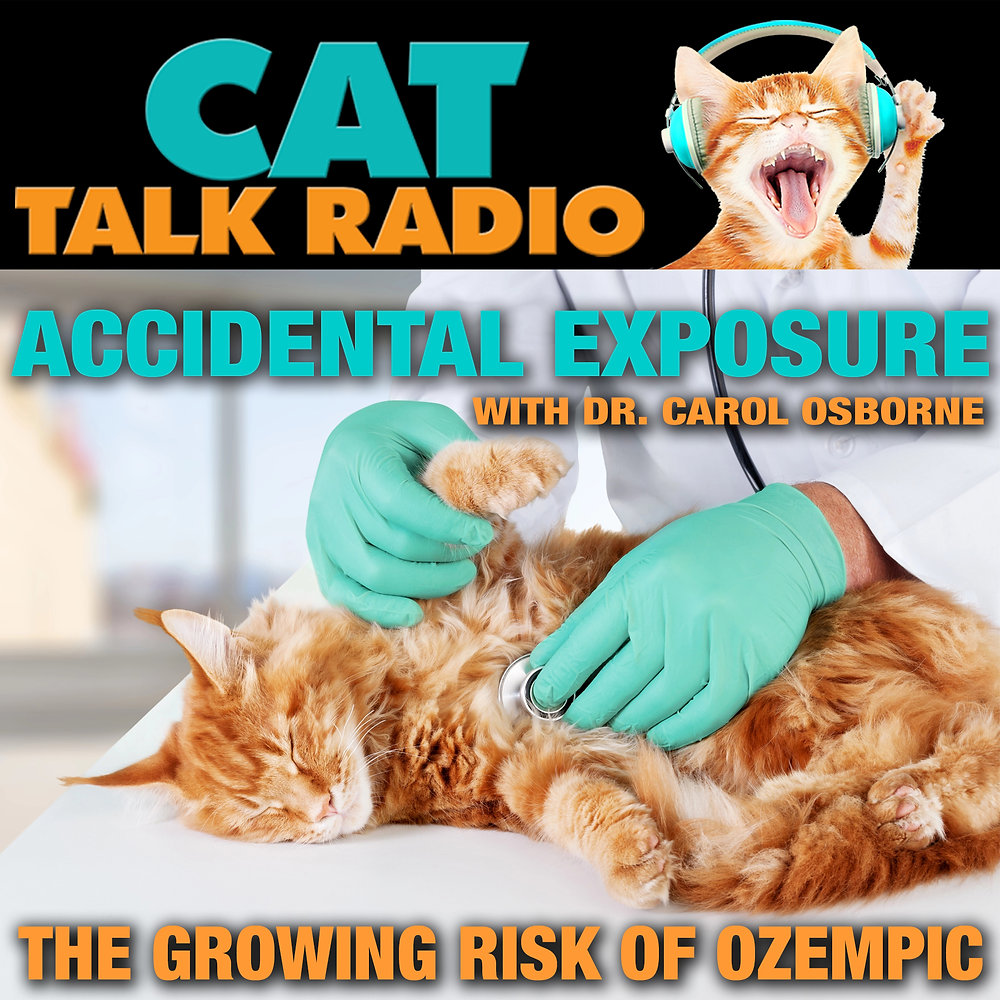
In a recent Cat Talk Radio episode, integrative veterinarian Dr. Carol Osborne explains that the biggest danger isn’t intentional misuse—it’s simple accidents. A dropped injection, a curious pet, or improper storage can quickly turn a helpful medication into a veterinary emergency.
What Pet Owners Need to Watch For
Signs of accidental exposure may include:
If you suspect your pet has been exposed to a GLP-1 medication, seek veterinary care immediately. Time matters.
Prevention Is Key
The good news? This risk is entirely preventable.
Keeping all medications securely stored and out of reach
Properly disposing of used needles and packaging
Never leaving medication unattended, even for a moment
Educating everyone in the household about safe handling
As these medications continue to rise in popularity, awareness is the first line of defense in keeping pets safe.
Dr. Carol Osborne, DVM, is a practicing integrative veterinarian and a nationally recognized leader, speaker, educator, and advocate in the field of functional medicine. She is the founder and director of the Chagrin Falls Veterinary Center and Pet Clinic and an Emmy-nominated television journalist. Her first two books, Naturally Healthy Dogs and Naturally Healthy Cats, hit the international best seller lists. She is a regular contributor to several television shows and networks including FOX & Friends, The Today Show, Discovery’s Animal Planet, and Good Day LA.