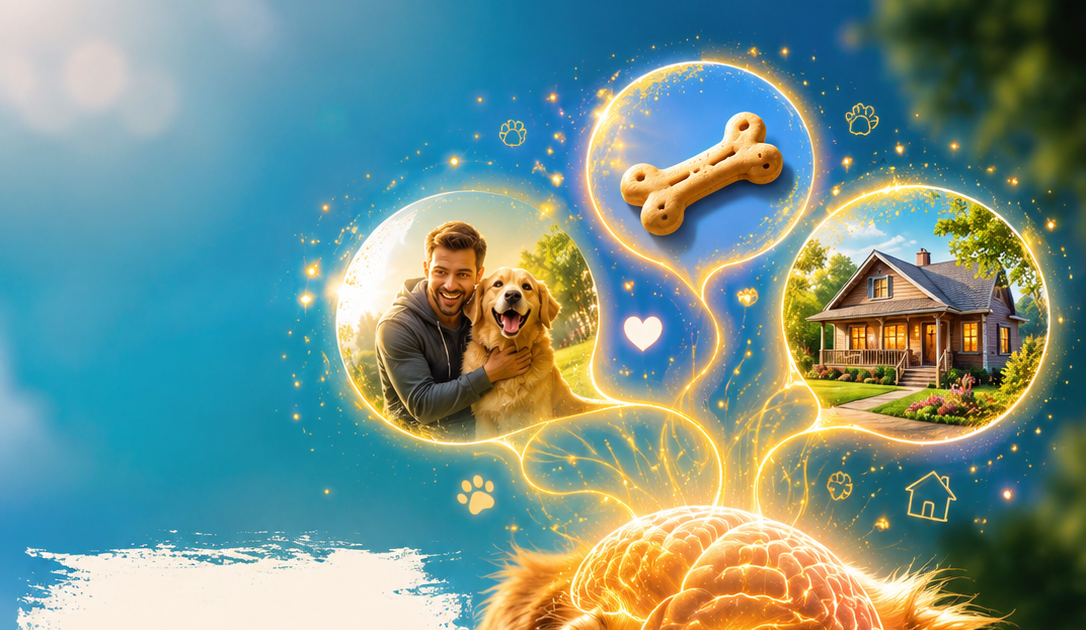
11 Facts About Dog Memory That Will Surprise You
⏱ Estimated reading time: 4 min read

Have you
ever wondered how much your dog actually remembers?
Maybe your
dog gets excited when you grab the leash, recognizes a route you haven’t taken
in months, or reacts to someone they met long ago. It’s moments like these that
make you realize—your dog’s memory is more powerful than you think.
But here’s
the twist: dog memory doesn’t work exactly like human memory. In this guide,
we’ll explore 11 surprising facts about dog memory, explained in a simple way
so you can better understand how your dog thinks, learns, and remembers.
1. Dogs
Don’t Remember Like Humans Do
Humans rely
heavily on episodic memory—we remember specific events in detail.
Dogs,
however, rely more on:
- ·
Associative
memory - ·
Emotional
memory
This means
they remember connections, not detailed stories. For example:
Your dog may
not remember “the day you went to the park last Sunday”, but they will
remember:
- ·
“Car
ride = fun” - ·
“Leash
= excitement”
2. Dogs
Remember Through Associations
Dogs are
masters at linking actions with outcomes. They remember things like:
- ·
Sit
→ treat - ·
Doorbell
→ someone arriving - ·
Shoes
+ keys → owner leaving
This is why
training works so well. The more
consistent the association, the stronger the memory becomes.
3. Dogs Have Short-Term Memory… But It’s Not
That Simple
You may have
heard that dogs only remember things for a few minutes. That’s not entirely
true. While their short-term memory is limited, their long-term memory can be
strong—especially when emotions are involved. Example: Your dog
might forget where you placed a toy, but never forget:
- ·
A
favorite park - ·
A
traumatic experience - ·
A
beloved person
4.
Emotional Experiences Stay Longer
Dogs
remember feelings more than facts. Strong emotions like:
- ·
Fear - ·
Happiness - ·
Excitement
…create
lasting impressions. That’s why:
- ·
A
bad experience can make a dog fearful for years - ·
A
loving home builds long-term trust
5. Smell
Plays a Huge Role in Memory
A dog’s nose
is its most powerful memory tool. Dogs can remember:
- ·
People - ·
Places - ·
Other
animals
…just
through scent. Even after a
long time, a familiar smell can trigger recognition instantly. This is why dogs
can sometimes recognize someone they haven’t seen in years.
6. Dogs
Remember Places Extremely Well
Dogs have
excellent spatial memory. They can remember:
- ·
Routes
during walks - ·
Locations
of food - ·
Familiar
environments
Ever noticed
your dog pulling you toward a specific street or park? That’s
memory in action.
7. Dogs
Remember People (Even After Years)
Yes—dogs can
remember people for a very long time. Especially if:
- ·
They
had a strong emotional bond - ·
The
interaction was repeated
This is why
dogs often:
- ·
Get
excited when old owners return - ·
Recognize
familiar friends
Even after
months or years apart.
8. Memory Improves With Training
Just like
humans, dogs can improve their memory through practice. Training helps:
- ·
Strengthen
neural connections - ·
Improve
recall ability - ·
Build
better behavior patterns
The more you
train your dog, the sharper their memory becomes. Positive
reinforcement strengthens memory and learning in dogs, as explained by the
American Kennel Club.
9.
Puppies and Adult Dogs Learn Differently
Puppies:
- ·
Learn
faster - ·
Absorb
new experiences quickly
Adult
dogs:
- ·
Learn
more slowly - ·
But
retain information longer
This is why
consistency is important at every stage.
10.
Negative Memories Can Last Longer
Dogs don’t
just remember good things. They also remember:
- ·
Fearful
experiences - ·
Loud
noises - ·
Aggressive
encounters
A single bad
experience can shape behavior for a long time.
That’s why:
- ·
Gentle
training matters - ·
Positive
reinforcement is key
11.
Routine Strengthens Memory
Dogs thrive
on routine. Doing the same things daily helps them:
- ·
Predict
what’s coming - ·
Feel
safe - ·
Strengthen
memory patterns
Example: If
you walk your dog every evening, they’ll start expecting it—even reminding you. Routine plays a major role in behavior—check Daily Routine That Keeps Your Dog Healthy.
Why
Understanding Dog Memory Matters
When you
understand how your dog remembers things, you can:
- ·
Train
more effectively - ·
Reduce
unwanted behavior - ·
Build
stronger trust - ·
Avoid
confusion or frustration
instead of
thinking: “Why
doesn’t my dog remember this?”
You’ll
think: “How can I help my dog form a
better association?”
Real-Life Example
Let’s say
your dog is scared of the vet. They don’t
remember every visit in detail.
But they
remember: “Vet =
stress”
To change
that, you need to:
- ·
Create
new positive associations - ·
Introduce
rewards - ·
Build
comfort gradually
Over time,
their memory shifts.
A healthy brain starts with proper nutrition—see Foods That Naturally Boost Your Dog’s Lifespan.
Conclusion
Dogs may not
remember things the same way humans do—but that doesn’t make their memory
weaker. In many ways, it’s more powerful. They remember:
- ·
How
you treat them - ·
How
you make them feel - ·
The
patterns of daily life
·
And
most importantly… They
remember you. Not just your face—but your voice, your scent, your presence.